
Transaction Trends

Written by industry experts, get insights on payments like nowhere else.

Guest Post: Merchant Services in a Millennial World

12-4-2017

Guest Post: Merchant Services in a Millennial World

By O.B. Rawls IV, CEO and President, iPayment, Inc.

Nowadays, we can’t go two minutes without hearing about “Millennials.” Millennials are a large and powerful generation that are driving cultural and economic change in our society. Often compared to the Baby Boomer generation for its size and cultural influence, Millennials are regularly referred to as the mobile or digital generation. In the past, I’ve spoken about innovation-based disruption and how it’s changing the payments industry. And, if you guessed that Millennials are some of the people behind this disruption, you aren’t wrong. But the Millennials’ impact on our industry goes deeper than just technology – Millennials are becoming the new face of the small and medium sized business, or merchant, owner as well.

Let’s first start with a basic profile of the “Millennial?” Millennials are defined as those born between 1980 and 2000 (today’s 17- to 37-year olds). That equates to about 92 million people in the United States, according to Goldman Sachs. To put that number into perspective, GenX and Baby Boomers consist of approximately 61 million and 77 million Americans, respectively. Millennials are also the first generation that consists entirely of digital natives. Younger Millennials have never known a world without the Internet; some have been using social media since they were pre-teens. As a matter of fact, according to Agency 451 research, 70% of Millennials spend nearly 25% of their day on social media.

So, what does the Millennial revolution mean for the SMB marketplace and for those of us servicing it? Everything. One of the major characteristics of the Millennial mindset is a natural questioning of the status-quo. Millennials, more so than other generations before them, have the technological prowess to create modern-day solutions on their own and are constantly seeking new ways to improve on existing processes. And this underlying trait bleeds into the Millennials’ decision-making processes. As many Millennials become entrepreneurs, we’ll need to continue to adapt our sales strategies, product offerings and maybe even our business operations to accommodate a highly curious group of potential customers.

According to Goldman Sachs, Millennials have already transformed consumer retail, social networking, media and technology. For example, when they shop, 36% of Millennials prefer to enlist an online or mobile community that has used the product, for information and advice. They are inclined to find out as much about every company they do business with and consider the merits of the organization’s reputation. Having a well-known brand isn’t enough anymore; it counts to have a well-balanced, positive profile amongst existing customers, review sites and social media accounts. Now is the time we should be asking if our businesses are prepared to deal with this level of customer research, are we as transparent as we need to be, is our message as crisp as it should be.

It’s not just enough to understand the Millennials’ purchasing habits, we also need to understand what motivates their purchases and business decisions. In the past, especially in credit card processing, many of us competed directly on price because that was the most important motivation for prospective merchants. But now, we know Millennials value more than just low-cost payment processing.

For the Millennial, simplification is key. Every task, whether business-related or personal, is easier today than it was 20 or even 10 years ago. If you’re a young entrepreneur or new SMB owner, why should payments be any different? That is why we need to make payment processing incredibly easy for the Millennial merchant. The providers who focus on simplicity and transparency will have the most success reaching new customers and maintaining portfolios.

In my experience, businesses ran by younger entrepreneurs are looking for five common benefits when evaluating payment partners: (1) reduction of clutter and unneeded equipment; (2) integrated back office applications that simplify business tasks; (3) transparent reporting and customer service; (4) access to loyalty and digital marketing programs; and (5) omni-channel payment capabilities. If you’re an agent or ISO looking for ways to target younger merchants, it is imperative that you work with organizations that invest resources procuring and delivering these solutions to their partner networks.

In its 2016 annual report, BNP Paribas published another interesting fact: Millennials will launch twice as many new businesses as Baby Boomers. And by 2038, Millennials will become the most important financial generation in America, according to Goldman Sachs. That equates to one of the biggest opportunities ever presented to the payments industry, but only if we’re prepared. Our underlying core service may stay intact, but the solutions we offer, sales processes we use, and ability to adapt to changes in consumer behavior, customer values and technology will determine our success in the Millennial marketplace. One thing’s for sure – this isn’t your grandfather’s payment processing business anymore.


About ETA

The Electronic Transactions Association (ETA) is the world’s leading advocacy and trade association for the payments industry. Our members span the breadth of significant payments and fintech companies, from the largest incumbent players to the emerging disruptors in the U.S. and in more than a dozen countries around the world. ETA members make commerce possible by processing approximately $56.75 trillion annually in purchases and P2P payments worldwide and deploying payments innovation to merchants and consumers.
 
ETAs membership spans the breadth of the payments industry to include independent sales organizations (ISOs), payments networks, financial institutions, transaction processors, mobile payments products and services, payments technologies, and software providers (ISV) and hardware suppliers. For more information, visit electran.org.

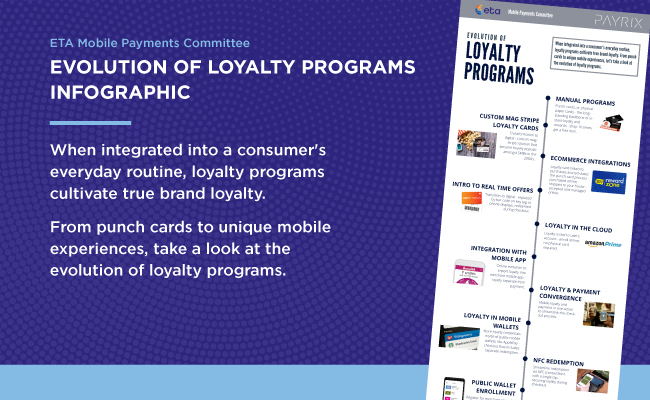
INFOGRAPHIC: Tracking the Evolution of Loyalty Solutions

News

INFOGRAPHIC: Tracking the Evolution of Loyalty Solutions

Loyalty programs cultivate lifelong customers. And they’ve come a long way since the days of punch cards. Modern loyalty solutions integrated mobile payments, rewards and ecommerce technology to get customers to keep coming back. For . . .

5-20-2021

learn more

ETA CEO Jodie Kelley: Reflections on the Past Year and Looking Ahead to the Future

News

ETA CEO Jodie Kelley: Reflections on the Past Year and Looking Ahead to the Future

By Jodie L. Kelley, CEO, ETA. As I complete my first year as CEO of ETA, I am struck by what an extraordinary year it was in so many ways. As we entered 2020, I . . .

9-28-2020

learn more

TSG INFOGRAPHIC: Assessing the Value of Payments Technology

News

TSG INFOGRAPHIC: Assessing the Value of Payments Technology

Accepting digital payments costs merchants money, but the “juice is worth the squeeze,” argues payments research firm The Strawhecker Group in their latest infographic. The infographic highlights data that demonstrates the immense value merchants and . . .

7-23-2020

learn more

The payments industry is a powerful economic driver, creating high-paying jobs and contributing to GDP in every state while supporting a wide range of industries across the economy.

OREGON

  • 17,500 total employment
  • $1.7B total labor income
  • $2.7B total GDP contribution

To learn more, download the report.

The payments industry is a powerful economic driver, creating high-paying jobs and contributing to GDP in every state while supporting a wide range of industries across the economy.

MINNESOTA

  • 36,000 total employment
  • $3.6B total labor income
  • $5.8B total GDP contribution

To learn more, download the report.

The payments industry is a powerful economic driver, creating high-paying jobs and contributing to GDP in every state while supporting a wide range of industries across the economy.

MICHIGAN

  • 43,900 total employment
  • $3.8B total labor income
  • $5.8B total GDP contribution

To learn more, download the report.

The payments industry is a powerful economic driver, creating high-paying jobs and contributing to GDP in every state while supporting a wide range of industries across the economy.

MONTANA

  • 5,000 total employment
  • $400,000,000 total labor income
  • $700,000,000 total GDP contribution
  • To learn more, download the report.

The payments industry is a powerful economic driver, creating high-paying jobs and contributing to GDP in every state while supporting a wide range of industries across the economy.

NEBRASKA

  • 15,600 total employment
  • $1.4B total labor income
  • $2.2B total GDP contribution

To learn more, download the report.

The payments industry is a powerful economic driver, creating high-paying jobs and contributing to GDP in every state while supporting a wide range of industries across the economy.

NEVADA

  • 22,400 total employment
  • $1.9B total labor income
  • $3.2B total GDP contribution

To learn more, download the report.

The payments industry is a powerful economic driver, creating high-paying jobs and contributing to GDP in every state while supporting a wide range of industries across the economy.

NEW HAMPSHIRE

  • 6,400 total employment
  • $700,000,000 total labor income
  • $1.0B total GDP contribution

To learn more, download the report.

The payments industry is a powerful economic driver, creating high-paying jobs and contributing to GDP in every state while supporting a wide range of industries across the economy.

NEW JERSEY

  • 53,400 total employment
  • $6.4B total labor income
  • $8.2B total GDP contribution

To learn more, download the report.

The payments industry is a powerful economic driver, creating high-paying jobs and contributing to GDP in every state while supporting a wide range of industries across the economy.

NEW MEXICO

  • 5,900 total employment
  • $400,000,000 total labor income
  • $800,000,000 total GDP contribution

To learn more, download the report.

The payments industry is a powerful economic driver, creating high-paying jobs and contributing to GDP in every state while supporting a wide range of industries across the economy.

NORTH CAROLINA

  • 71,000 total employment
  • $7.1B total labor income
  • $13.9B total GDP contribution

To learn more, download the report.

The payments industry is a powerful economic driver, creating high-paying jobs and contributing to GDP in every state while supporting a wide range of industries across the economy.

NORTH DAKOTA

  • 4,600 total employment
  • $400,000,000 total labor income
  • $700,000,000 total GDP contribution

To learn more, download the report.

The payments industry is a powerful economic driver, creating high-paying jobs and contributing to GDP in every state while supporting a wide range of industries across the economy.

OHIO

  • 80,400 total employment
  • $6.9B total labor income
  • $16.6B total GDP contribution

To learn more, download the report.

The payments industry is a powerful economic driver, creating high-paying jobs and contributing to GDP in every state while supporting a wide range of industries across the economy.

OKLAHOMA

  • 18,600 total employment
  • $1.4B total labor income
  • $2.2B total GDP contribution

To learn more, download the report.

The payments industry is a powerful economic driver, creating high-paying jobs and contributing to GDP in every state while supporting a wide range of industries across the economy.

MISSISSIPPI

  • 10,100 total employment
  • $600,000,000 total labor income
  • $1.2B total GDP contribution

To learn more, download the report.

The payments industry is a powerful economic driver, creating high-paying jobs and contributing to GDP in every state while supporting a wide range of industries across the economy.

PENNSYLVANIA

  • 64,500 total employment
  • $6.3B total labor income
  • $9.7B total GDP contribution

To learn more, download the report.

The payments industry is a powerful economic driver, creating high-paying jobs and contributing to GDP in every state while supporting a wide range of industries across the economy.

RHODE ISLAND

  • 5,800 total employment
  • $500,000,000 total labor income
  • $900,000,000 total GDP contribution

To learn more, download the report.

The payments industry is a powerful economic driver, creating high-paying jobs and contributing to GDP in every state while supporting a wide range of industries across the economy.

SOUTH CAROLINA

  • 22,500 total employment
  • $1.7B total labor income
  • $2.7B total GDP contribution

To learn more, download the report.

The payments industry is a powerful economic driver, creating high-paying jobs and contributing to GDP in every state while supporting a wide range of industries across the economy.

SOUTH DAKOTA

  • 15,300 total employment
  • $1.1B total labor income
  • $3.2B total GDP contribution

To learn more, download the report.

The payments industry is a powerful economic driver, creating high-paying jobs and contributing to GDP in every state while supporting a wide range of industries across the economy.

TENNESSEE

  • 38,800 total employment
  • $3.5B total labor income
  • $5.5B total GDP contribution

To learn more, download the report.

The payments industry is a powerful economic driver, creating high-paying jobs and contributing to GDP in every state while supporting a wide range of industries across the economy.

UTAH

  • 28,700 total employment
  • $2.4B total labor income
  • $4.9B total GDP contribution

To learn more, download the report.

The payments industry is a powerful economic driver, creating high-paying jobs and contributing to GDP in every state while supporting a wide range of industries across the economy.

VERMONT

  • 2,600 total employment
  • $200,000,000 total labor income
  • $300,000,000 total GDP contribution

To learn more, download the report.

The payments industry is a powerful economic driver, creating high-paying jobs and contributing to GDP in every state while supporting a wide range of industries across the economy.

VIRGINIA

  • 73,600 total employment
  • $8.5B total labor income
  • $12.8B total GDP contribution

To learn more, download the report.

The payments industry is a powerful economic driver, creating high-paying jobs and contributing to GDP in every state while supporting a wide range of industries across the economy.

WASHINGTON

  • 34,000 total employment
  • $4.6B total labor income
  • $7.8B total GDP contribution

To learn more, download the report.

The payments industry is a powerful economic driver, creating high-paying jobs and contributing to GDP in every state while supporting a wide range of industries across the economy.

WEST VIRGINIA

  • 4,800 total employment
  • $300,000,000 total labor income
  • $600,000,000 total GDP contribution

To learn more, download the report.

The payments industry is a powerful economic driver, creating high-paying jobs and contributing to GDP in every state while supporting a wide range of industries across the economy.

WISCONSIN

  • 28,100 total employment
  • $2.4B total labor income
  • $4.0B total GDP contribution

To learn more, download the report.

The payments industry is a powerful economic driver, creating high-paying jobs and contributing to GDP in every state while supporting a wide range of industries across the economy.

WYOMING

  • 2,500 total employment
  • $200,000,000 total labor income
  • $300,000,000 total GDP contribution

To learn more, download the report.

The payments industry is a powerful economic driver, creating high-paying jobs and contributing to GDP in every state while supporting a wide range of industries across the economy.

HAWAII

  • 4,900 total employment
  • $400,000,000 total labor income
  • $700,000,000 total GDP contribution

To learn more, download the report.

The payments industry is a powerful economic driver, creating high-paying jobs and contributing to GDP in every state while supporting a wide range of industries across the economy.

TEXAS

  • 209,100 total employment
  • $20.0B total labor income
  • $29.8B total GDP contribution

To learn more, download the report.

The payments industry is a powerful economic driver, creating high-paying jobs and contributing to GDP in every state while supporting a wide range of industries across the economy.

ALABAMA

  • 21,000 total employment
  • $1.6B total labor income
  • $2.8B total GDP contribution

To learn more, download the report.

The payments industry is a powerful economic driver, creating high-paying jobs and contributing to GDP in every state while supporting a wide range of industries across the economy.

ALASKA

  • 2,200 total employment
  • $200,000,000 total labor income
  • $400,000,000 total GDP contribution

To learn more, download the report.

The payments industry is a powerful economic driver, creating high-paying jobs and contributing to GDP in every state while supporting a wide range of industries across the economy.

ARIZONA

  • 63,600 total employment
  • $5.6B total labor income
  • $8.5B total GDP contribution

To learn more, download the report.

The payments industry is a powerful economic driver, creating high-paying jobs and contributing to GDP in every state while supporting a wide range of industries across the economy.

ARKANSAS

  • 12,000 total employment
  • $900,000,000 total labor income
  • $1.6B total GDP contribution

To learn more, download the report.

The payments industry is a powerful economic driver, creating high-paying jobs and contributing to GDP in every state while supporting a wide range of industries across the economy.

CALIFORNIA

  • 193,800 total employment
  • $26.6B total labor income
  • $41.1B total GDP contribution

To learn more, download the report.

The payments industry is a powerful economic driver, creating high-paying jobs and contributing to GDP in every state while supporting a wide range of industries across the economy.

COLORADO

  • 40,000 total employment
  • $4.2B total labor income
  • $6.2 total GDP contribution

To learn more, download the report.

The payments industry is a powerful economic driver, creating high-paying jobs and contributing to GDP in every state while supporting a wide range of industries across the economy.

CONNECTICUT

  • 16,400 total employment
  • $2.1B total labor income
  • $3.3B total GDP contribution

To learn more, download the report.

The payments industry is a powerful economic driver, creating high-paying jobs and contributing to GDP in every state while supporting a wide range of industries across the economy.

DELAWARE

  • 38,400 total employment
  • $4.0B total labor income
  • $9.3B total GDP contribution

To learn more, download the report.

The payments industry is a powerful economic driver, creating high-paying jobs and contributing to GDP in every state while supporting a wide range of industries across the economy.

DISTRICT OF COLUMBIA

  • 4,200 total employment
  • $800,000,000 total labor income
  • $1.1B total GDP contribution

To learn more, download the report.

The payments industry is a powerful economic driver, creating high-paying jobs and contributing to GDP in every state while supporting a wide range of industries across the economy.

FLORIDA

  • 161,100 total employment
  • $14.5B total labor income
  • $18.5B total GDP contribution

To learn more, download the report.

The payments industry is a powerful economic driver, creating high-paying jobs and contributing to GDP in every state while supporting a wide range of industries across the economy.

GEORGIA

  • 70,700 total employment
  • $6.6B total labor income
  • $12.7B total GDP contribution

To learn more, download the report.

The payments industry is a powerful economic driver, creating high-paying jobs and contributing to GDP in every state while supporting a wide range of industries across the economy.

IDAHO

  • 7,800 total employment
  • $600,000,000 total labor income
  • $1.0B total GDP contribution

To learn more, download the report.

The payments industry is a powerful economic driver, creating high-paying jobs and contributing to GDP in every state while supporting a wide range of industries across the economy.

ILLINOIS

  • 87,300 total employment
  • $9.6B total labor income
  • $14.6B total GDP contribution

To learn more, download the report.

The payments industry is a powerful economic driver, creating high-paying jobs and contributing to GDP in every state while supporting a wide range of industries across the economy.

INDIANA

  • 27,300 total employment
  • $2.2B total labor income
  • $3.7B total GDP contribution

To learn more, download the report.

The payments industry is a powerful economic driver, creating high-paying jobs and contributing to GDP in every state while supporting a wide range of industries across the economy.

IOWA

  • 22,000 total employment
  • $1.8B total labor income
  • $3.3B total GDP contribution

To learn more, download the report.

The payments industry is a powerful economic driver, creating high-paying jobs and contributing to GDP in every state while supporting a wide range of industries across the economy.

KANSAS

  • 16,300 total employment
  • $1.4B total labor income
  • $2.1B total GDP contribution

To learn more, download the report.

The payments industry is a powerful economic driver, creating high-paying jobs and contributing to GDP in every state while supporting a wide range of industries across the economy.

KENTUCKY

  • 22,300 total employment
  • $1.7B total labor income
  • $2.7B total GDP contribution

To learn more, download the report.

The payments industry is a powerful economic driver, creating high-paying jobs and contributing to GDP in every state while supporting a wide range of industries across the economy.

LOUISIANA

  • 16,400 total employment
  • $1.2B total labor income
  • $2.2B total GDP contribution

To learn more, download the report.

The payments industry is a powerful economic driver, creating high-paying jobs and contributing to GDP in every state while supporting a wide range of industries across the economy.

MAINE

  • 9,200 total employment
  • $900,000,000 total labor income
  • $1.3B total GDP contribution

To learn more, download the report.

The payments industry is a powerful economic driver, creating high-paying jobs and contributing to GDP in every state while supporting a wide range of industries across the economy.

MARYLAND

  • 25,500 total employment
  • $2.4B total labor income
  • $3.6B total GDP contribution

To learn more, download the report.

The payments industry is a powerful economic driver, creating high-paying jobs and contributing to GDP in every state while supporting a wide range of industries across the economy.

MASSACHUSETTS

  • 39,600 total employment
  • $5.3B total labor income
  • $8.0B total GDP contribution

To learn more, download the report.

The payments industry is a powerful economic driver, creating high-paying jobs and contributing to GDP in every state while supporting a wide range of industries across the economy.

MISSOURI

  • 31,900 total employment
  • $2.7B total labor income
  • $4.5B total GDP contribution

To learn more, download the report.

The payments industry is a powerful economic driver, creating high-paying jobs and contributing to GDP in every state while supporting a wide range of industries across the economy.

NEW YORK

  • 147,600 total employment
  • $24.4B total labor income
  • $54.0B total GDP contribution

To learn more, download the report.