

Transaction Trends

Written by industry experts, get insights on payments like nowhere else.

ETA Testifies On Behalf of Payments Industry in Maryland House of Delegates

3-14-2017
ETA Testifies On Behalf of Payments Industry in Maryland House of Delegates

PJ Hoffman

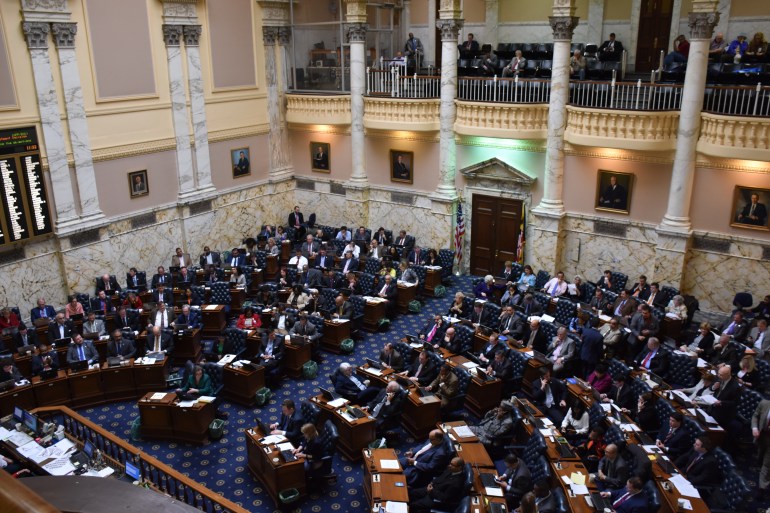
One of the best parts of my job here at ETA is being an advocate on behalf of our great members. On March 10, 2017, I was in Annapolis, Maryland to represent ETA and the payments industry at a legislative hearing of the Maryland House Economic Matters Committee. ETA was part of a panel who testified in opposition to H.B. 1400.

Summary of H.B. 1400

H.B. 1400, if passed, would restrict service agreements between credit card processors and a merchant including capping early termination fees at $99.00, limiting access to a merchant’s bank account after 60 days of a written notice or termination, and prohibiting an authorization of liquidated damages.

ETA Testifies

ETA regularly testifies before Congress and state legislative hearings and submits comment letters for issues that affect the payments industry. This issue is no exception. ETA has concerns about the devastating effects that H.B. 1400 would have on payment processors, small businesses, and Maryland consumers.  On Friday, March 10, 2017, ETA was able to convey those concerns to members of the Maryland House Economic Matters Committee. In addition, ETA submitted a letter to the members of the Committee detailing additional unintended consequences that the bill includes. A copy can be found here. [LINK TO LETTER]

At the hearing, ETA testified regarding the following concerns:

  1. A cap on early termination fees would not allow merchant service providers to recoup significant upfront onboarding costs and costs for ceasing payment services for merchants. These types of contracts are business to business contracts that are customized based on the type, size, and mode of business and the state should not arbitrarily set caps on fees negotiated by sophisticated parties.
  2. The consequences to limiting merchant bank account access would ultimately generate multiple obstacles for Maryland merchants looking to contract with processors to secure electronic payment services. These hurdles could lead to reduced access to the payments system, increased reserve requirements, and limitations on contract negotiations for Maryland merchants.
  3. Prohibition of liquidation of damages will ultimately lead to reduced access to electronic payments and increased cost for services for small businesses in Maryland.
  4. The negative impacts would trickle down to consumers through decreased access to electronic payments and potentially passing down of costs. If small merchants, in particular, are shut out of the electronic payments system, consumers will have fewer payment options and small businesses may suffer with ultimately fewer customers and smaller transaction amounts.

ETA Has You Covered

While this hearing was a successful example of advocacy on behalf of our members, ETA will remain vigilant on the many state and national issues that affect the payments industry. If you have any states or national issues that you think ETA should be weighing in on, please let us know by emailing ETA

PJ Hoffman is Director of Regulatory Affairs at ETA. He can be reached at [email protected].

About ETA

The Electronic Transactions Association (ETA) is the world’s leading advocacy and trade association for the payments industry. Our members span the breadth of significant payments and fintech companies, from the largest incumbent players to the emerging disruptors in the U.S. and in more than a dozen countries around the world. ETA members make commerce possible by processing approximately $56.75 trillion annually in purchases and P2P payments worldwide and deploying payments innovation to merchants and consumers.
 
ETAs membership spans the breadth of the payments industry to include independent sales organizations (ISOs), payments networks, financial institutions, transaction processors, mobile payments products and services, payments technologies, and software providers (ISV) and hardware suppliers. For more information, visit electran.org.

Guest Post: Payments Shock Factor: The Digital Acceleration No One Saw Coming

News

Guest Post: Payments Shock Factor: The Digital Acceleration No One Saw Coming

By Steve Villegas, VP, Payment Partnerships North America, PPRO To suggest that COVID-19 has transformed the future of business would be too obvious. But, in certain industries like retail, it is hard to fathom just . . .

8-19-2020

learn more

ETA Expert Insights: PCI DSS Validation Responsibilities for Payment Facilitators and Their Sub-Merchants

News

ETA Expert Insights: PCI DSS Validation Responsibilities for Payment Facilitators and Their Sub-Merchants

By Jim Bibles, Aperia, Chris Bucolo, ControlScan, and Lori Rainery First American Payment Systems, members of the ETA Payment Facilitator Committee. There are many misconceptions around the responsibilities of Payment Card Industry Data Security Standard . . .

8-5-2020

learn more

Guest Post: How the Pandemic Changed Unemployment Fraud

News

Guest Post: How the Pandemic Changed Unemployment Fraud

By Gurjot Kaur Bandasha, Engineering Manager, Dataseers On March 18, 2020, President Trump signed into law the Families First Coronavirus Response Act (FFCRA), which provided additional flexibility for state unemployment insurance agencies and additional administrative . . .

7-23-2020

learn more

The payments industry is a powerful economic driver, creating high-paying jobs and contributing to GDP in every state while supporting a wide range of industries across the economy.

OREGON

  • 17,500 total employment
  • $1.7B total labor income
  • $2.7B total GDP contribution

To learn more, download the report.

The payments industry is a powerful economic driver, creating high-paying jobs and contributing to GDP in every state while supporting a wide range of industries across the economy.

MINNESOTA

  • 36,000 total employment
  • $3.6B total labor income
  • $5.8B total GDP contribution

To learn more, download the report.

The payments industry is a powerful economic driver, creating high-paying jobs and contributing to GDP in every state while supporting a wide range of industries across the economy.

MICHIGAN

  • 43,900 total employment
  • $3.8B total labor income
  • $5.8B total GDP contribution

To learn more, download the report.

The payments industry is a powerful economic driver, creating high-paying jobs and contributing to GDP in every state while supporting a wide range of industries across the economy.

MONTANA

  • 5,000 total employment
  • $400,000,000 total labor income
  • $700,000,000 total GDP contribution
  • To learn more, download the report.

The payments industry is a powerful economic driver, creating high-paying jobs and contributing to GDP in every state while supporting a wide range of industries across the economy.

NEBRASKA

  • 15,600 total employment
  • $1.4B total labor income
  • $2.2B total GDP contribution

To learn more, download the report.

The payments industry is a powerful economic driver, creating high-paying jobs and contributing to GDP in every state while supporting a wide range of industries across the economy.

NEVADA

  • 22,400 total employment
  • $1.9B total labor income
  • $3.2B total GDP contribution

To learn more, download the report.

The payments industry is a powerful economic driver, creating high-paying jobs and contributing to GDP in every state while supporting a wide range of industries across the economy.

NEW HAMPSHIRE

  • 6,400 total employment
  • $700,000,000 total labor income
  • $1.0B total GDP contribution

To learn more, download the report.

The payments industry is a powerful economic driver, creating high-paying jobs and contributing to GDP in every state while supporting a wide range of industries across the economy.

NEW JERSEY

  • 53,400 total employment
  • $6.4B total labor income
  • $8.2B total GDP contribution

To learn more, download the report.

The payments industry is a powerful economic driver, creating high-paying jobs and contributing to GDP in every state while supporting a wide range of industries across the economy.

NEW MEXICO

  • 5,900 total employment
  • $400,000,000 total labor income
  • $800,000,000 total GDP contribution

To learn more, download the report.

The payments industry is a powerful economic driver, creating high-paying jobs and contributing to GDP in every state while supporting a wide range of industries across the economy.

NORTH CAROLINA

  • 71,000 total employment
  • $7.1B total labor income
  • $13.9B total GDP contribution

To learn more, download the report.

The payments industry is a powerful economic driver, creating high-paying jobs and contributing to GDP in every state while supporting a wide range of industries across the economy.

NORTH DAKOTA

  • 4,600 total employment
  • $400,000,000 total labor income
  • $700,000,000 total GDP contribution

To learn more, download the report.

The payments industry is a powerful economic driver, creating high-paying jobs and contributing to GDP in every state while supporting a wide range of industries across the economy.

OHIO

  • 80,400 total employment
  • $6.9B total labor income
  • $16.6B total GDP contribution

To learn more, download the report.

The payments industry is a powerful economic driver, creating high-paying jobs and contributing to GDP in every state while supporting a wide range of industries across the economy.

OKLAHOMA

  • 18,600 total employment
  • $1.4B total labor income
  • $2.2B total GDP contribution

To learn more, download the report.

The payments industry is a powerful economic driver, creating high-paying jobs and contributing to GDP in every state while supporting a wide range of industries across the economy.

MISSISSIPPI

  • 10,100 total employment
  • $600,000,000 total labor income
  • $1.2B total GDP contribution

To learn more, download the report.

The payments industry is a powerful economic driver, creating high-paying jobs and contributing to GDP in every state while supporting a wide range of industries across the economy.

PENNSYLVANIA

  • 64,500 total employment
  • $6.3B total labor income
  • $9.7B total GDP contribution

To learn more, download the report.

The payments industry is a powerful economic driver, creating high-paying jobs and contributing to GDP in every state while supporting a wide range of industries across the economy.

RHODE ISLAND

  • 5,800 total employment
  • $500,000,000 total labor income
  • $900,000,000 total GDP contribution

To learn more, download the report.

The payments industry is a powerful economic driver, creating high-paying jobs and contributing to GDP in every state while supporting a wide range of industries across the economy.

SOUTH CAROLINA

  • 22,500 total employment
  • $1.7B total labor income
  • $2.7B total GDP contribution

To learn more, download the report.

The payments industry is a powerful economic driver, creating high-paying jobs and contributing to GDP in every state while supporting a wide range of industries across the economy.

SOUTH DAKOTA

  • 15,300 total employment
  • $1.1B total labor income
  • $3.2B total GDP contribution

To learn more, download the report.

The payments industry is a powerful economic driver, creating high-paying jobs and contributing to GDP in every state while supporting a wide range of industries across the economy.

TENNESSEE

  • 38,800 total employment
  • $3.5B total labor income
  • $5.5B total GDP contribution

To learn more, download the report.

The payments industry is a powerful economic driver, creating high-paying jobs and contributing to GDP in every state while supporting a wide range of industries across the economy.

UTAH

  • 28,700 total employment
  • $2.4B total labor income
  • $4.9B total GDP contribution

To learn more, download the report.

The payments industry is a powerful economic driver, creating high-paying jobs and contributing to GDP in every state while supporting a wide range of industries across the economy.

VERMONT

  • 2,600 total employment
  • $200,000,000 total labor income
  • $300,000,000 total GDP contribution

To learn more, download the report.

The payments industry is a powerful economic driver, creating high-paying jobs and contributing to GDP in every state while supporting a wide range of industries across the economy.

VIRGINIA

  • 73,600 total employment
  • $8.5B total labor income
  • $12.8B total GDP contribution

To learn more, download the report.

The payments industry is a powerful economic driver, creating high-paying jobs and contributing to GDP in every state while supporting a wide range of industries across the economy.

WASHINGTON

  • 34,000 total employment
  • $4.6B total labor income
  • $7.8B total GDP contribution

To learn more, download the report.

The payments industry is a powerful economic driver, creating high-paying jobs and contributing to GDP in every state while supporting a wide range of industries across the economy.

WEST VIRGINIA

  • 4,800 total employment
  • $300,000,000 total labor income
  • $600,000,000 total GDP contribution

To learn more, download the report.

The payments industry is a powerful economic driver, creating high-paying jobs and contributing to GDP in every state while supporting a wide range of industries across the economy.

WISCONSIN

  • 28,100 total employment
  • $2.4B total labor income
  • $4.0B total GDP contribution

To learn more, download the report.

The payments industry is a powerful economic driver, creating high-paying jobs and contributing to GDP in every state while supporting a wide range of industries across the economy.

WYOMING

  • 2,500 total employment
  • $200,000,000 total labor income
  • $300,000,000 total GDP contribution

To learn more, download the report.

The payments industry is a powerful economic driver, creating high-paying jobs and contributing to GDP in every state while supporting a wide range of industries across the economy.

HAWAII

  • 4,900 total employment
  • $400,000,000 total labor income
  • $700,000,000 total GDP contribution

To learn more, download the report.

The payments industry is a powerful economic driver, creating high-paying jobs and contributing to GDP in every state while supporting a wide range of industries across the economy.

TEXAS

  • 209,100 total employment
  • $20.0B total labor income
  • $29.8B total GDP contribution

To learn more, download the report.

The payments industry is a powerful economic driver, creating high-paying jobs and contributing to GDP in every state while supporting a wide range of industries across the economy.

ALABAMA

  • 21,000 total employment
  • $1.6B total labor income
  • $2.8B total GDP contribution

To learn more, download the report.

The payments industry is a powerful economic driver, creating high-paying jobs and contributing to GDP in every state while supporting a wide range of industries across the economy.

ALASKA

  • 2,200 total employment
  • $200,000,000 total labor income
  • $400,000,000 total GDP contribution

To learn more, download the report.

The payments industry is a powerful economic driver, creating high-paying jobs and contributing to GDP in every state while supporting a wide range of industries across the economy.

ARIZONA

  • 63,600 total employment
  • $5.6B total labor income
  • $8.5B total GDP contribution

To learn more, download the report.

The payments industry is a powerful economic driver, creating high-paying jobs and contributing to GDP in every state while supporting a wide range of industries across the economy.

ARKANSAS

  • 12,000 total employment
  • $900,000,000 total labor income
  • $1.6B total GDP contribution

To learn more, download the report.

The payments industry is a powerful economic driver, creating high-paying jobs and contributing to GDP in every state while supporting a wide range of industries across the economy.

CALIFORNIA

  • 193,800 total employment
  • $26.6B total labor income
  • $41.1B total GDP contribution

To learn more, download the report.

The payments industry is a powerful economic driver, creating high-paying jobs and contributing to GDP in every state while supporting a wide range of industries across the economy.

COLORADO

  • 40,000 total employment
  • $4.2B total labor income
  • $6.2 total GDP contribution

To learn more, download the report.

The payments industry is a powerful economic driver, creating high-paying jobs and contributing to GDP in every state while supporting a wide range of industries across the economy.

CONNECTICUT

  • 16,400 total employment
  • $2.1B total labor income
  • $3.3B total GDP contribution

To learn more, download the report.

The payments industry is a powerful economic driver, creating high-paying jobs and contributing to GDP in every state while supporting a wide range of industries across the economy.

DELAWARE

  • 38,400 total employment
  • $4.0B total labor income
  • $9.3B total GDP contribution

To learn more, download the report.

The payments industry is a powerful economic driver, creating high-paying jobs and contributing to GDP in every state while supporting a wide range of industries across the economy.

DISTRICT OF COLUMBIA

  • 4,200 total employment
  • $800,000,000 total labor income
  • $1.1B total GDP contribution

To learn more, download the report.

The payments industry is a powerful economic driver, creating high-paying jobs and contributing to GDP in every state while supporting a wide range of industries across the economy.

FLORIDA

  • 161,100 total employment
  • $14.5B total labor income
  • $18.5B total GDP contribution

To learn more, download the report.

The payments industry is a powerful economic driver, creating high-paying jobs and contributing to GDP in every state while supporting a wide range of industries across the economy.

GEORGIA

  • 70,700 total employment
  • $6.6B total labor income
  • $12.7B total GDP contribution

To learn more, download the report.

The payments industry is a powerful economic driver, creating high-paying jobs and contributing to GDP in every state while supporting a wide range of industries across the economy.

IDAHO

  • 7,800 total employment
  • $600,000,000 total labor income
  • $1.0B total GDP contribution

To learn more, download the report.

The payments industry is a powerful economic driver, creating high-paying jobs and contributing to GDP in every state while supporting a wide range of industries across the economy.

ILLINOIS

  • 87,300 total employment
  • $9.6B total labor income
  • $14.6B total GDP contribution

To learn more, download the report.

The payments industry is a powerful economic driver, creating high-paying jobs and contributing to GDP in every state while supporting a wide range of industries across the economy.

INDIANA

  • 27,300 total employment
  • $2.2B total labor income
  • $3.7B total GDP contribution

To learn more, download the report.

The payments industry is a powerful economic driver, creating high-paying jobs and contributing to GDP in every state while supporting a wide range of industries across the economy.

IOWA

  • 22,000 total employment
  • $1.8B total labor income
  • $3.3B total GDP contribution

To learn more, download the report.

The payments industry is a powerful economic driver, creating high-paying jobs and contributing to GDP in every state while supporting a wide range of industries across the economy.

KANSAS

  • 16,300 total employment
  • $1.4B total labor income
  • $2.1B total GDP contribution

To learn more, download the report.

The payments industry is a powerful economic driver, creating high-paying jobs and contributing to GDP in every state while supporting a wide range of industries across the economy.

KENTUCKY

  • 22,300 total employment
  • $1.7B total labor income
  • $2.7B total GDP contribution

To learn more, download the report.

The payments industry is a powerful economic driver, creating high-paying jobs and contributing to GDP in every state while supporting a wide range of industries across the economy.

LOUISIANA

  • 16,400 total employment
  • $1.2B total labor income
  • $2.2B total GDP contribution

To learn more, download the report.

The payments industry is a powerful economic driver, creating high-paying jobs and contributing to GDP in every state while supporting a wide range of industries across the economy.

MAINE

  • 9,200 total employment
  • $900,000,000 total labor income
  • $1.3B total GDP contribution

To learn more, download the report.

The payments industry is a powerful economic driver, creating high-paying jobs and contributing to GDP in every state while supporting a wide range of industries across the economy.

MARYLAND

  • 25,500 total employment
  • $2.4B total labor income
  • $3.6B total GDP contribution

To learn more, download the report.

The payments industry is a powerful economic driver, creating high-paying jobs and contributing to GDP in every state while supporting a wide range of industries across the economy.

MASSACHUSETTS

  • 39,600 total employment
  • $5.3B total labor income
  • $8.0B total GDP contribution

To learn more, download the report.

The payments industry is a powerful economic driver, creating high-paying jobs and contributing to GDP in every state while supporting a wide range of industries across the economy.

MISSOURI

  • 31,900 total employment
  • $2.7B total labor income
  • $4.5B total GDP contribution

To learn more, download the report.

The payments industry is a powerful economic driver, creating high-paying jobs and contributing to GDP in every state while supporting a wide range of industries across the economy.

NEW YORK

  • 147,600 total employment
  • $24.4B total labor income
  • $54.0B total GDP contribution

To learn more, download the report.