
Beyond Payments: How Smarter POS is Rewriting the Merchant Playbook
2-20-2026
CO-Authors: Ryan Aumann, Jenn Reichenbacher, Melissa Peirano
The payments industry stands at a pivotal moment. As merchant expectations evolve beyond basic transaction processing, point-of-sale providers must reimagine their role, shifting from transaction enablers to strategic business partners. This transformation requires delivering not just payment acceptance, but comprehensive analytics, customer engagement tools, and embedded financial services that drive measurable outcomes.
EVOLUTION OF SMART POS
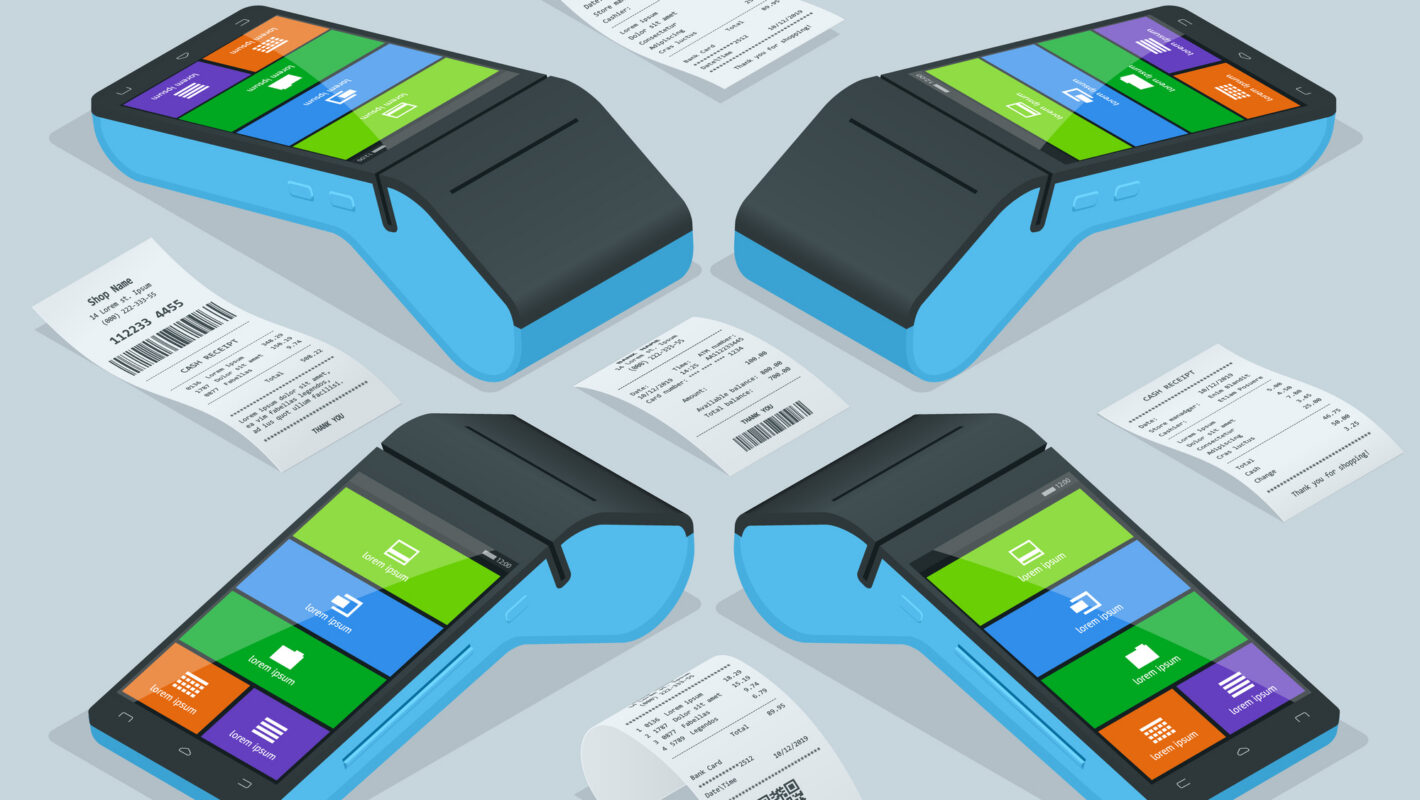
Payments today rely on speed, security, and connected intelligence. Traditional POS systems were built mainly for transaction processing with basic hardware and limited flexibility. Modern Smart POS platforms function as fully integrated commerce centers, managing inventory, automating marketing and loyalty, supporting employee operations, and delivering real-time insights. With API-driven connectivity and third-party integrations, Smart POS empowers merchants to customize and scale their operations far beyond payment acceptance.
CAPABILITIES AND BUSINESS VALUE
Modern Smart POS solutions address challenges in payment acceptance, operations, and customer engagement by integrating everything into a single platform. These solutions support a wide range of payment methods, including EMV, contactless payments, mobile wallets, QR codes, Buy Now Pay Later, cryptocurrencies, and even AI-powered checkout experiences.
As companies strive to enhance their payment processes, partnerships across the payments landscape are essential for driving innovation and efficiency. Independent Software Vendors (ISVs) play a pivotal role by enhancing systems with advanced features, while Independent Sales Organizations (ISOs) and merchant acquirers excel at extending distribution and reach through their robust deployment networks. Global processors provide the infrastructure for large-scale transactions. Together, these partnerships form a dynamic ecosystem that accelerates market entry and creates seamless, integrated solutions for merchants.
MERCHANT PLAYBOOK
In the ever-evolving landscape of digital payments, merchants need to take strategic actions now and in the coming months to stay ahead.
The first step is to ensure that your hardware and terminals are compatible with mobile wallets. It’s important to promote acceptance of various payment options, including wallet and card brands, as well as alternative solutions like in-store and online buy now, pay later features. Merchants should enable token acceptance and verify that their payment provider supports mobile wallet tokenization and adheres to network requirements. Establish a clear list of your needs, prioritizing elements such as mobile accessibility, inventory management, and alternative payment options.
Second, merchants should consider piloting SoftPOS technology for specific activities such as line busting, managing pop-up events, or facilitating deliveries. Start with a limited number of managed devices and integrate your payment systems with your point-of-sale (POS) and back-office operations to ensure tap-to-pay transactions automatically reconcile.
In the next year, aim to create device-agnostic checkout experiences. This means that staff phones, fixed tablets, kiosks, and unattended devices should work together as part of a unified payment acceptance framework. Additionally, leveraging payments for loyalty programs and first-party data, while ensuring security, can help enhance customer lifetime value.
Specific approaches can be tailored to individual verticals. For example, in retail, SoftPOS can be implemented for pop-up lanes and curbside pickup, with wallet tokens integrated into loyalty programs to provide instant discounts. In the restaurant sector, tablets and servers can accept tap-to-pay transactions at the table, streamlining turnover, while also allowing for integrated tips and split checks within the same transaction flow. At events and festivals, bulky terminals can be replaced with Smart POS devices.
THE ROAD AHEAD
The retail landscape is set for significant transformation over the next decade, driven by key trends reshaping merchant operations and consumer interactions. Looking ahead, the next generation of POS will be defined by AI-driven personalization, seamlessly integrated financial services, and real-time payment capabilities. Ensuring certification and compliance is crucial; SoftPOS applications must meet EMVCo standards, comply with Payment Card Industry (PCI) standards, like CPoC (Contactless Payments on Consumer Devices), and adhere to network rules. It’s vital to avoid running unverified software. By strategically planning and implementing these initiatives, merchants can enhance their payment processes and customer experiences in a rapidly changing environment.
About ETA
The Electronic Transactions Association (ETA) is the world’s leading advocacy and trade association for the payments industry. Our members span the breadth of significant payments and fintech companies, from the largest incumbent players to the emerging disruptors in the U.S. and in more than a dozen countries around the world. ETA members make commerce possible by processing approximately $56.75 trillion annually in purchases and P2P payments worldwide and deploying payments innovation to merchants and consumers.
ETAs membership spans the breadth of the payments industry to include independent sales organizations (ISOs), payments networks, financial institutions, transaction processors, mobile payments products and services, payments technologies, and software providers (ISV) and hardware suppliers. For more information, visit electran.org.